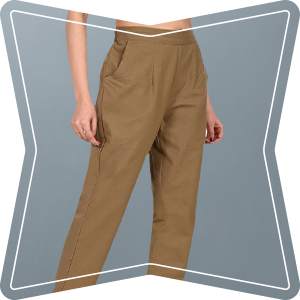

Season-Ready Dressing Without Rebuilding Your Entire Wardrobe for Women

Transitioning between seasons doesn’t require a complete wardrobe overhaul. Women can maintain style, comfort, and versatility by making thoughtful adjustments with the pieces they already own. The key lies in understanding layering, fabric choices, color coordination, and subtle updates that refresh outfits without creating chaos. A season-ready wardrobe is about adaptation, not excess.
By approaching each season strategically, it is possible to stay stylish and functional without feeling the pressure to buy everything new.
Assess What You Already Have
The first step in season-ready dressing is evaluating existing pieces. Identify garments that can transition across temperatures and occasions. Lightweight tops, structured bottoms, and versatile outer layers often form the backbone of adaptable outfits.
Understanding your current wardrobe helps reveal opportunities to mix and match, reducing the need for unnecessary purchases.
Layer Strategically
Layering is one of the most effective ways to adapt clothing to changing conditions. Lightweight underlayers provide warmth without bulk, while mid-layers add structure and dimension. Outer layers can be introduced to protect against wind, rain, or cooler mornings.
Thoughtful layering keeps outfits practical and stylish, allowing a smooth shift between warmer and cooler hours of the day.
Swap Fabrics, Not Outfits
Seasonal adaptation often comes down to material choices. Cotton and breathable fabrics excel in warmer months, while knits, structured weaves, and slightly heavier textures provide comfort when temperatures drop. Instead of buying entirely new outfits, swapping fabrics can extend the usability of existing pieces.
This approach ensures outfits feel relevant for the season without replacing your core wardrobe.
Update Through Key Pieces
Small seasonal additions can have a significant impact. A single layer, a tailored jacket, or a statement top can refresh an outfit while working with pieces already owned. Focus on items that complement your existing palette and shapes rather than overwhelming them.
Minimal updates maintain harmony and allow you to stay stylish without clutter.
Leverage Color and Tone
Colors play a subtle role in seasonal adaptation. Muted or neutral tones provide versatility across months, while seasonal shades can add warmth or brightness as needed. Introducing a few carefully chosen pieces in season-specific colors can create fresh combinations with minimal effort.
Balanced color choices ensure outfits feel appropriate without sacrificing cohesion or personal style.
Adjust Proportions and Silhouettes
Seasonal dressing can be enhanced by slight changes in silhouette. Pairing lighter tops with structured bottoms, or layering flowing pieces over fitted layers, allows versatility and movement. Subtle adjustments maintain shape and elegance, preventing outfits from appearing mismatched or out of place.
Awareness of proportions ensures comfort and aesthetic consistency throughout the day.
Mind Comfort Without Compromise
Functionality is essential. Clothing that restricts movement or feels heavy undermines the effectiveness of any outfit. Season-ready dressing must account for comfort, allowing ease of movement, temperature regulation, and long-term wear.
When comfort is prioritized, outfits feel natural, boosting confidence and presence automatically.
Refine With Minimal Additions
Instead of a full wardrobe replacement, focus on minimal, strategic additions. These might include one lightweight layer for warmth, a versatile structured top, or a breathable long-sleeve option. Each addition should enhance multiple existing outfits, providing flexibility without excess.
A few well-chosen pieces can elevate many looks across different settings and temperatures.
Plan Outfits Around Core Pieces
Core garments form the foundation for seasonal dressing. Tops, bottoms, and structured layers that work across months allow seamless combinations. Planning outfits around these essentials makes dressing efficient and consistent.
Using foundational pieces as anchors ensures daily choices are easier and style remains intact.
Maintain Wardrobe Readiness
Keeping clothing clean, pressed, and in good condition is as important as the items themselves. Well-maintained garments adapt more easily to seasonal layering and create a polished appearance. Regular care extends the usefulness of all pieces and maximizes versatility.
A prepared wardrobe reduces last-minute stress and strengthens personal style.